Top 10 Dropshipping Mistakes
Avoid the biggest drop shipping pitfalls! Discover 10 common mistakes sellers make and learn how to prevent them to boost your success.
Dropshipping is still a popular and reliable business model in the ever-shifting world of e-commerce. It allows would- be entrepreneurs or passionate creators to start their own business.
With little to zero investment!
With dropshipping, you don't have to worry about storing inventory or fulfilling orders. When you make a sale, your print on demand supplier ships the order directly to your customer.
This streamlined approach doesn't come without it's challenges, though.
Many dropshipping sellers make common mistakes that block the path to success. Like building a complicated storefront, or not posting authentic content.
Understanding these errors and knowing how to avoid them is crucial to create a profitable dropshipping business.
That’s why we’ve compiled the top 10 dropshipping mistakes with action steps on how to avoid them.
1. Not Picking a Niche You're Passionate About
One of the most critical steps in starting a dropshipping business is picking a niche. Many sellers often make the same mistake: Picking a niche based only on what they think will make money.
They don’t pick something they're actually passionate about.
Your niche should align with your interests, skills, while having some market demand. A lack of passion for your niche eventually leads to burnout and can generate disengagement.
If you're not passionate about your niche, you likely won’t put in the extra effort needed to succeed. Use your passion to connect with an audience that’s been waiting for someone like you! Insider knowledge and experience will help you best connect with your audience base.
How to Avoid It: Use tools like Google Trends (it's free!) to gauge interest around keywords and trends. This will help you learn more about your niche audience and become more knowledgeable about the products you sell.
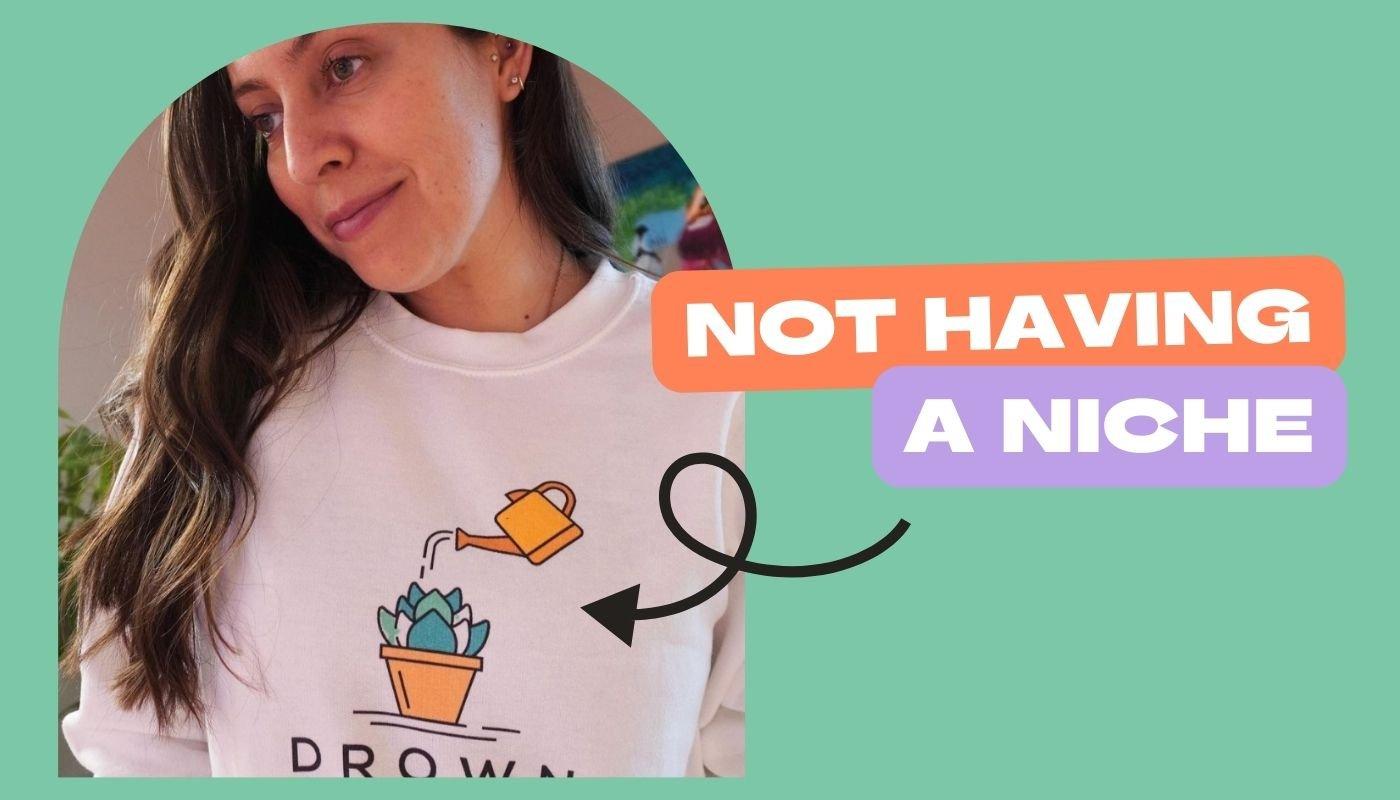
Looking to other successful ecommerce sellers for inspiration within your niche is also important. Plants With Krystal is a perfect example of a successful dropshipping business owner.
She turned her love of plants into a successful print-on-demand business and connected with other plant parents in the process.
Her insider knowledge helped her create designs that appeal to her target audience instead of trying to please everyone. That's why a niche is key to finding success as a long term dropshipping seller.
2. Ignoring the Quality of Suppliers
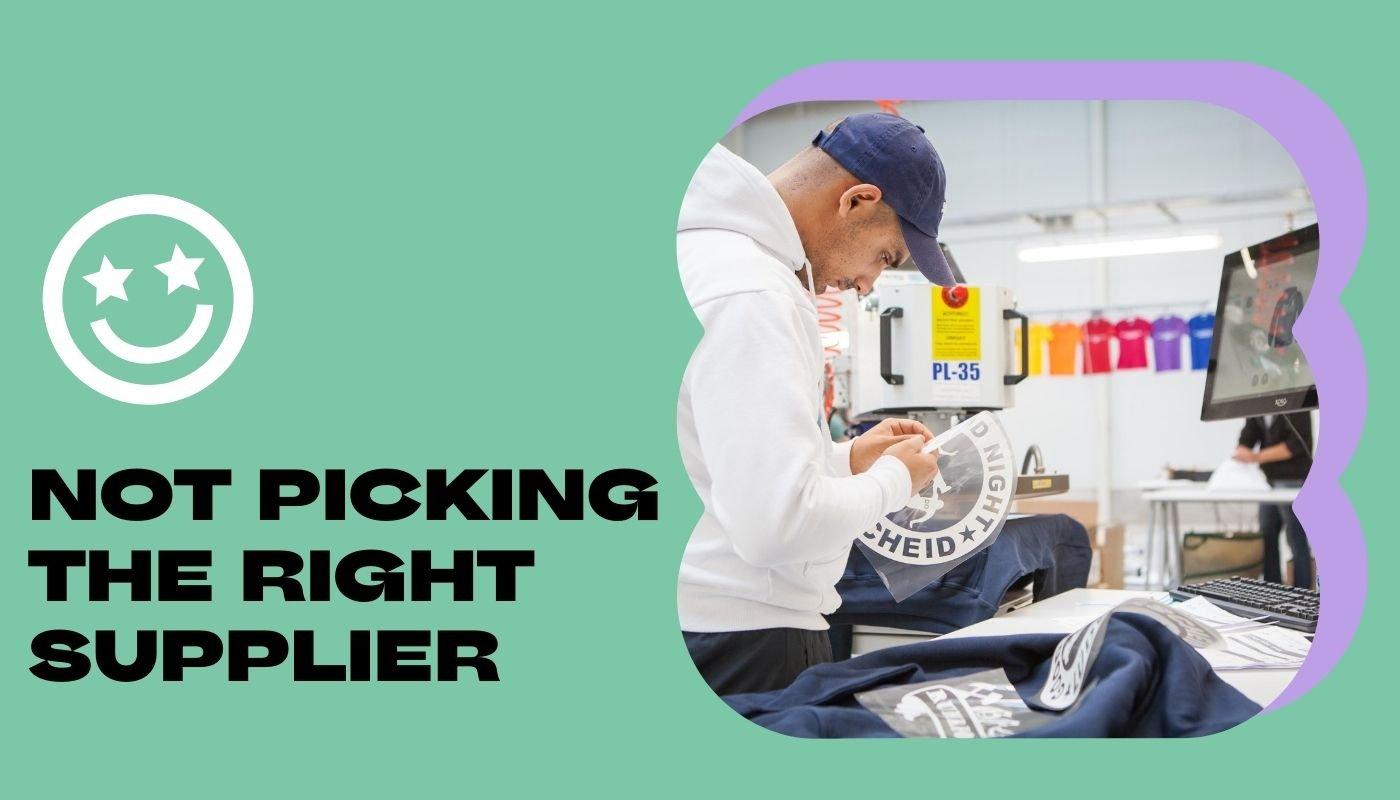
In drop shipping, suppliers are critical to your success. They’re not just your product providers - they’re your business partners. Their performance directly impacts your brand’s reputation, customer satisfaction, and growth.
How to Avoid Supplier Issues
1. Do Thorough Research
Before committing to a supplier, invest time in researching their reputation and reliability.
Read Reviews: Search for reviews on platforms like AliExpress, SaleHoo, and Oberlo. Focus on feedback from other dropshippers.
Join Online Communities: Dropshipping forums and Facebook groups typically share firsthand experiences with suppliers.
2. Order Product Samples
The best way to assess a supplier’s quality is to experience their product firsthand.
Inspect Product Quality: Examine the look, feel and fit of products. Make sure it’s a quality product, especially for popular items like t-shirts and hoodies.
Test Shipping Times: Track how long it takes for the product to arrive to ensure they meet your customers’ expectations. Evaluate how shipping costs factor into buyer decision.
Evaluate Packaging: Ensure the product arrives securely and is professionally packaged. A lot of dropshipping suppliers use white label packaging.
One way to avoid problems with suppliers is to work with a well-known print-on-demand provider.
A platform like Spreadshop offers consistent quality and fast delivery times while making inventory management a breeze.

3. Not Taking Customer Concerns Seriously
Many dropshippers make the mistake that their responsibility ends once a customer places an order. But reliable customer service is important to build trust and encourage repeat business.
One customer concern can snowball if that customer leaves a bad review or shares their experience online.
How to Avoid It: Be proactive in your communication with customers. Provide clear, detailed product descriptions, transparent shipping times, and easy-to-find contact information. Implement a straightforward return policy and be responsive to customer inquiries and complaints.
Chatbots and customer service software can streamline this process. But finding a supplier that will take care of customer concerns for you is the best route.
Dropshipping suppliers like Spreadshop offer dedicated customer support and helpful resources. This means you won’t have to solve order issues by yourself!
4. Overlooking the Impact of an Easy-to-Navigate Storefront
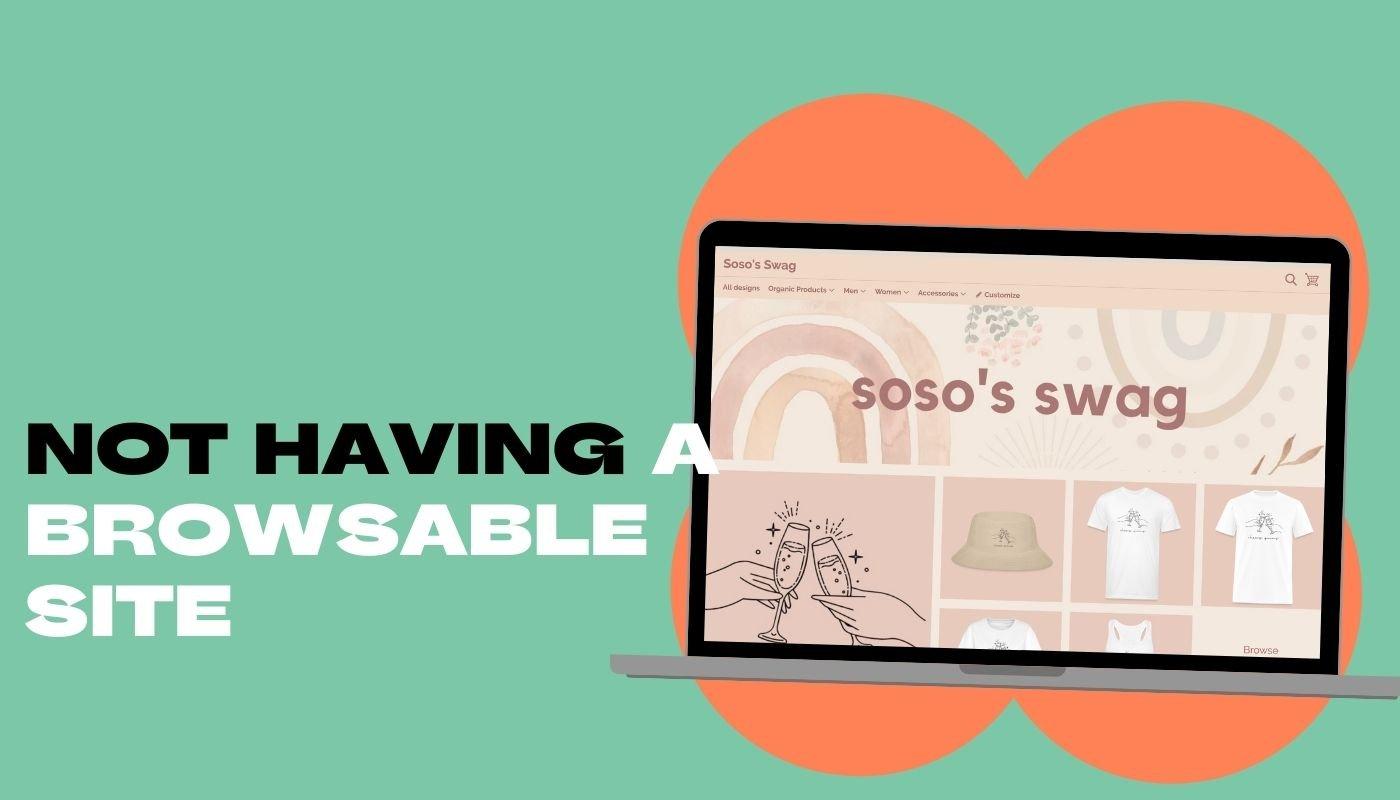
A dropshipping store that’s difficult to navigate can prevent customers from exploring your site and making a purchase. This is incredibly important because it’s usually where customers first encounter your brand.
Think about who your audience is and what will resonate with them. Create visuals using your likeness and pick a color scheme and images to represent your brand. Use design tools like Canva to build a brand toolkit for your e-commerce store.
How to Avoid It: Invest time and resources into designing a professional, user-friendly website. Use high-quality images and maintain a consistent branding theme.
5. Failing to Optimize for SEO
Search Engine Optimization (SEO) is the cornerstone of driving organic traffic to your dropshipping store. Unlike paid ads that need to be updated, SEO creates a steady stream of visitors. These visitors find your store through search engines like Google.
When you ignore SEO, you miss chances to reach customers. With the right SEO strategy, you can connect with your audience, rank higher in search results, and grow your dropshipping business
Conduct Thorough Keyword Research: Your First SEO Step
Understanding how your audience searches for your products is the first step.
Use Keyword Research Tools: Tools like Google Keyword Planner, Ubersuggest, and SEMrush can help you find popular keywords. These keywords should have high search volume and low competition in your niche.
Long-Tail Keywords Matter: Long-tail keywords target specific queries, making it easier to rank and convert. Use phrases like "eco-friendly gym bags" instead of generic terms like "gym bags" when naming dropshipping products.
AI-assisted SEO: Spreadshop has an AI-assisted SEO tool that generates meta titles and descriptions for you. Save time and create relevant meta data that makes it easier for search engines to discover.
Here are 8 SEO tips to optimize your online dropshipping store for search visibility and performance.
6. Not Taking Advantage of Social Selling Opportunities
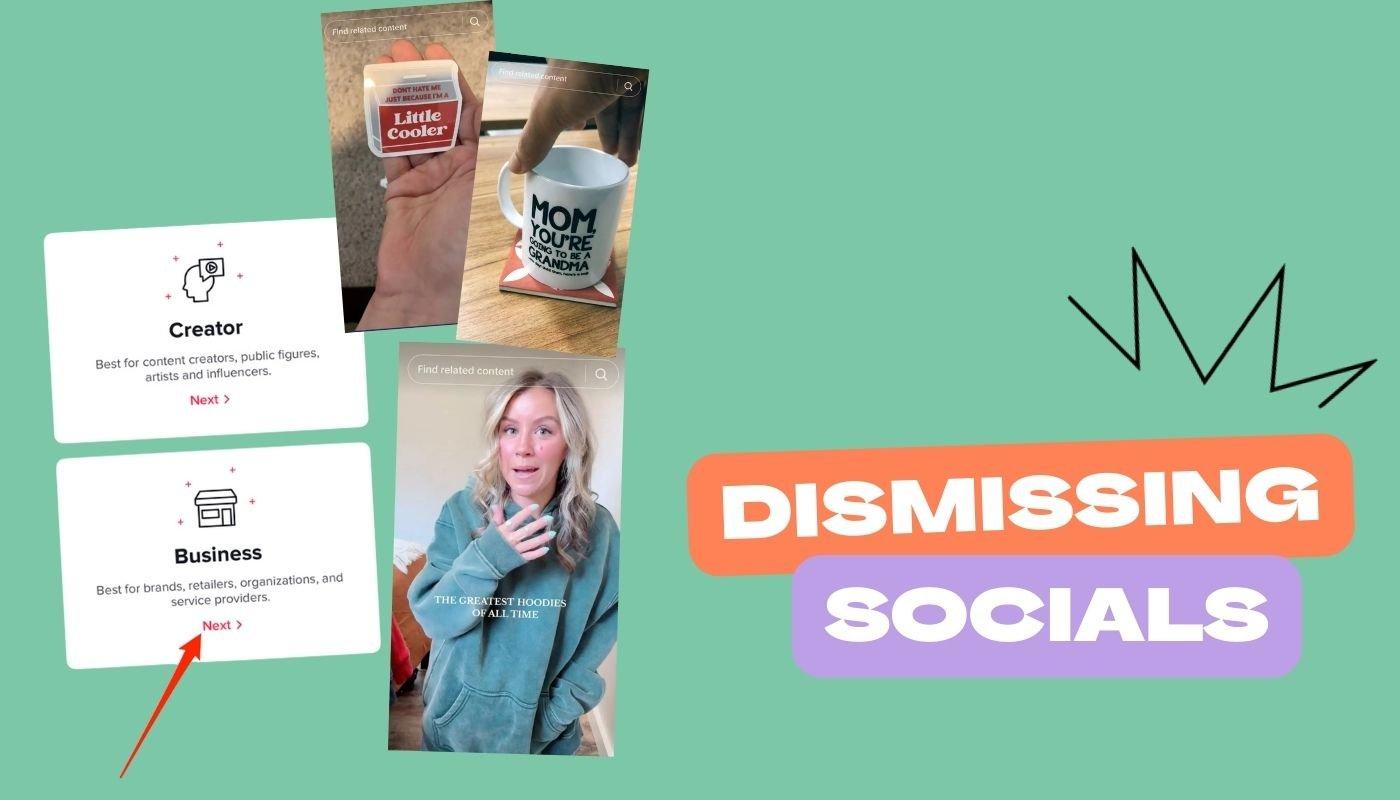
Social media is a powerful tool for building brand awareness. A common mistake dropshipping sellers make is either neglecting social media or using it the wrong way.
Social media is one of the best, organic marketing strategies out there. Concerned about looking spammy or trying too hard to drive sales? We have some marketing and selling tips that might help.
How to Avoid It: Identify which social media platforms your target audience uses most and focus your efforts there. Create engaging, relevant content that promotes your products and encourages interaction.
Melon and Finn are a great case study for how to successfully use social media to sell products. They use their large TikTok following to sell print-on-demand apparel and accessories.
They don’t try to make flashy promotional content. They integrate their products into their videos in an authentic way. Your audience doesn’t want to feel like they’re being sold something all the time.

7. Ignoring the Power of Email Marketing
Many dropshippers misjudge the value of email marketing. By doing this, they may miss important chances to connect with customers, boost sales, and encourage repeat business.
Having remainders in your customers’ inboxes is key to building brand trust.
Craft Engaging, Action-Oriented Emails
Product Launch Emails: Showcase new arrivals with high-quality images and direct links.
Exclusive Offers: Create a sense of urgency with limited-time deals or flash sales. Spreadshop runs promotions every month for partners. Use the pre-set dates they provide or adjust as needed for your marketing needs.
Helpful Content: Share tips, trends, or how-to guides relevant to your niche. This kind of content positions your brand as a trusted source.
8. Setting Unrealistic Expectations
Many people promote dropshipping as a fast and easy way to earn money online. This causes new sellers to have unrealistic hopes for quick success and easy income.
You can’t expect sales to rule in if you don’t take the time to evaluate your audience and market to them effectively.
How to Avoid It: Understand that building a successful drop shipping business requires time, effort, and patience.
Set realistic goals and be prepared for challenges. Continue to learn from your experiences and adapt your strategies for improvement.
Here’s a realistic breakdown of how long it takes to build a profitable dropshipping business.
9. Neglecting Analytics and Feedback
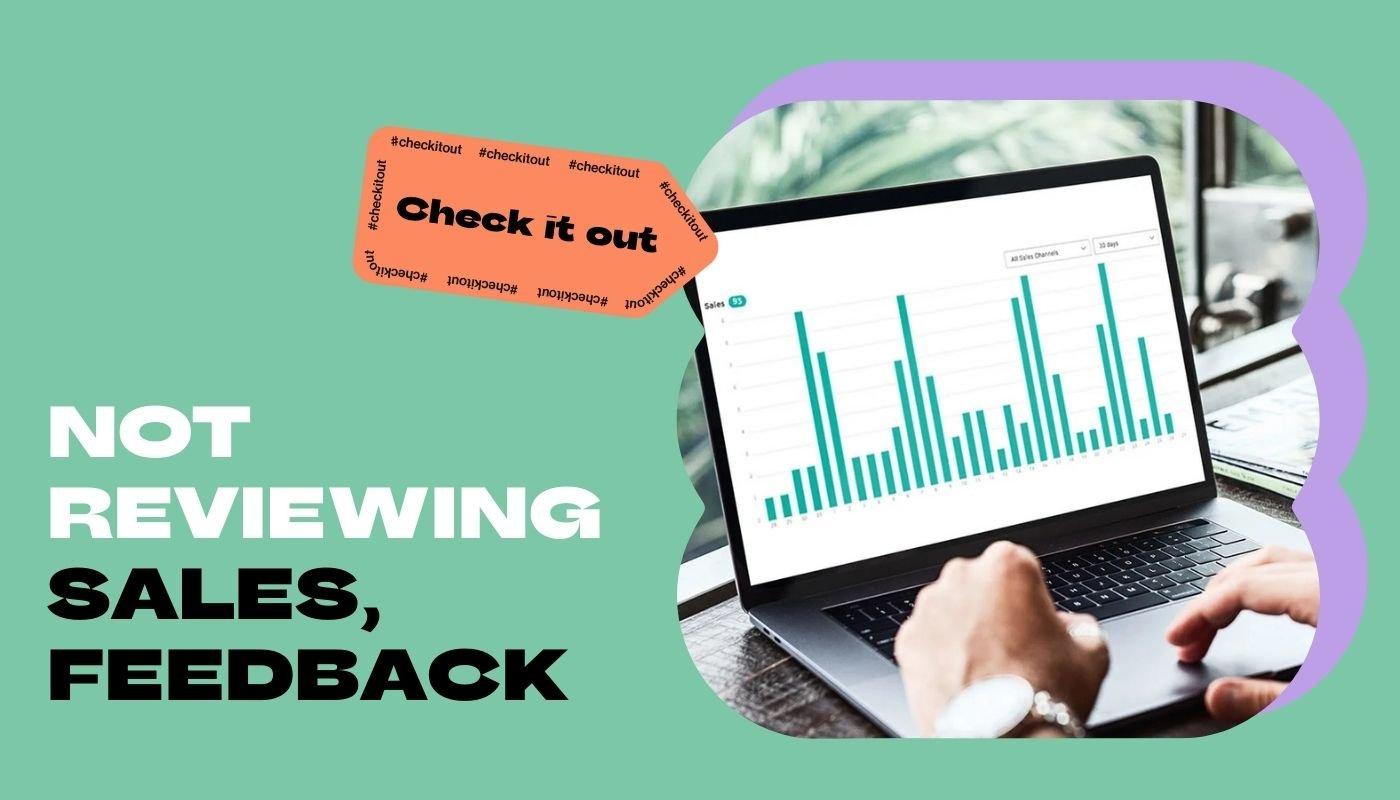
Not tracking your dropshipping store’s performance or ignoring customer feedback can stop you from finding areas to improve. You’re missing a significant opportunity to grow your sales and make sure you get your next drop right.
How to Avoid It: Use analytics tools like Google Analytics to track your website’s traffic and conversion rates. These tools help you see important performance indicators.
Print-on-demand solutions like Spreadshop have built in analytic tools to help you track your earnings.
10. Inadequate Planning and Research
Jumping into dropshipping without adequate planning or market research won’t set you on the path to success. This includes not understanding your target market, not being aware of competitors, and not having a clear business plan.
How to Avoid It: Before starting your dropshipping business, do thorough market research. This will help you understand what your target audience needs and prefers. Analyze your competitors to identify gaps in the market that you can fill.
This gives you chance to use your voice and share your passion!
Dropshipping offers many opportunities, but it requires hard work, flexibility, and a focus on customers to succeed. Remember, the key to success is not just avoiding mistakes, but to keep learning and evolving.
Start selling with a reliable dropshipping partner today.